This blog aims to showcase how robotics for children can catalyze interactive learning experiences, foster a sense of teamwork from an early age, and empower them for success in an interconnected and collaborative world.
Importance of Robotics for Kids
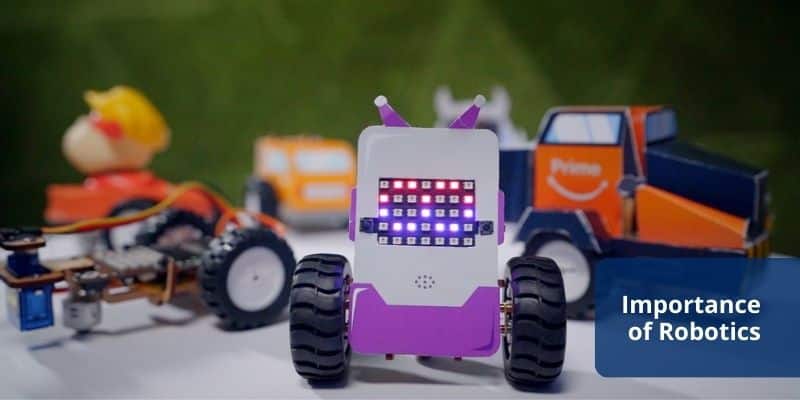
Robotics in education provides invaluable hands-on experiences that foster STEM understanding, curiosity, and creativity. It empowers students to innovate and solve real-world challenges, inspiring the next generation of problem-solvers.
Let’s go a little deeper to understand this further.
Hands-on Learning: Engaging through Practical Experiences
Robotics enables children and students to interact directly with materials and components, encouraging experiential learning. Through building and programming robots, children grasp complex concepts by putting them into action, solidifying their understanding.
Cultivating Curiosity in STEM Fields
Robotics ignites curiosity and excitement about STEM fields. It prompts children to ask questions, seek answers, and delve deeper into these fields, expanding their knowledge and interest.
Empowering Students to be Collaborative Leaders in an Evolving Society
In the realm of robotics, students have the freedom to experiment and create. This creativity allows them to develop unique solutions to challenges, promoting innovation and out-of-the-box thinking.
Embracing robotics in education can lead to a generation of skilled and imaginative individuals, driving progress and advancements in various domains.
Cultivating a Collaborative Learning Environment in School
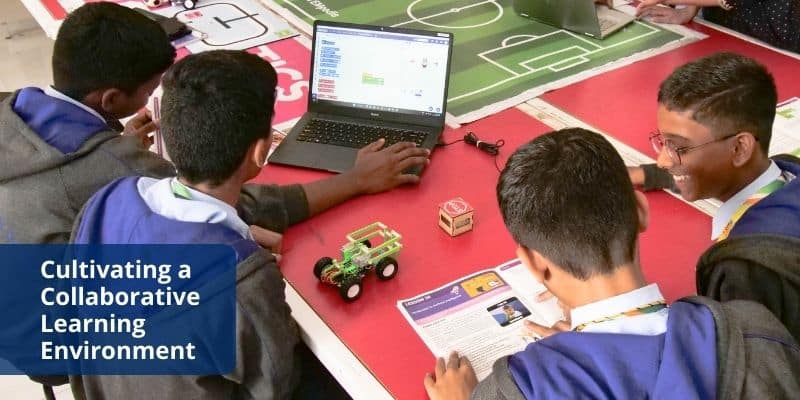
Collaborative learning is vital in modern education, promoting teamwork and essential interpersonal skills. A supportive atmosphere empowers students to contribute effectively, while team-building 女人下部私密各种各样 enhance cohesive work dynamics. DIY Robotics projects foster cooperative problem-solving, developing valuable collaboration skills beyond the classroom.
Creating a Supportive and Inclusive Atmosphere for Collaboration
A supportive and inclusive environment encourages students to express their ideas without fear of judgment. It fosters open communication and mutual respect, promoting a safe space where collaboration can thrive.
Team-Building 女人下部私密各种各样 to Encourage Students to Work Together
Engaging in team-building 女人下部私密各种各样 helps students build trust, understanding, and camaraderie. These 女人下部私密各种各样 enhance communication, cooperation, and the ability to work harmoniously as a team.
Robotics Projects Serving as a Medium for Cooperative Problem-Solving
In DIY robotics projects, students face challenges that require collective problem-solving. They learn to leverage individual strengths, brainstorm ideas, and collaborate on solutions, developing vital teamwork skills.

Teamwork in Robotics Projects
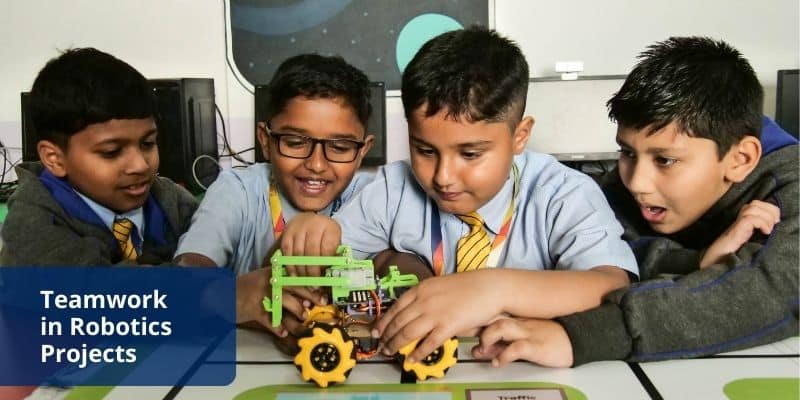
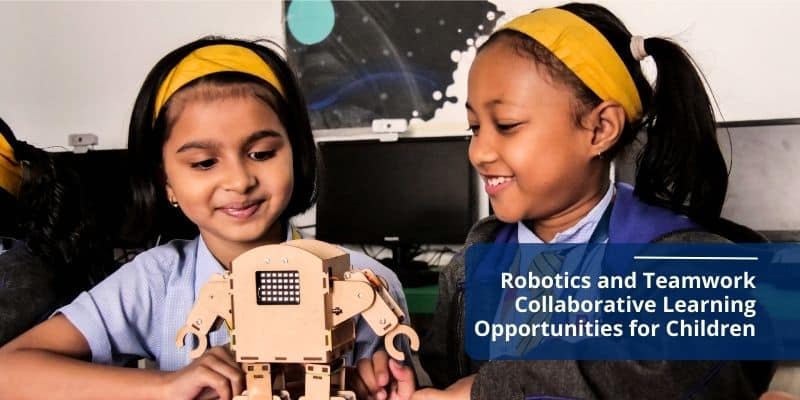
Teamwork is at the core of successful robotics projects, offering valuable learning experiences for students. Understanding the significance of collaboration in tackling complex challenges is essential, as it enables students to pool their diverse skills and perspectives. Engaging in team-based tasks develops communication and interpersonal skills, allowing students to effectively share ideas and work harmoniously.
Significance of Teamwork in Complex Robotics Challenges
In robotics projects, students encounter intricate tasks that require a combination of technical knowledge and problem-solving abilities. Understanding the importance of teamwork helps them leverage individual strengths and distribute responsibilities effectively, leading to more comprehensive and successful solutions.
Developing Communication and Interpersonal Skills
Working in a team setting provides students with opportunities to communicate their ideas, actively listen to others, and express themselves effectively. These team-based tasks nurture essential interpersonal skills, which are valuable for future collaborations in both academic and professional settings.
Encouraging Students to Value Each Team Member’s Ideas
Promoting a culture of respect and appreciation for diverse perspectives fosters innovation and cohesive problem-solving in robotics projects.
Emphasizing teamwork in robotics education creates a supportive environment that fosters innovation and collaboration, preparing students for future real-world collaborations.
Now let’s move ahead with the last part of the blog to learn how robotics education prepares them for future success.
Preparing Students for Future Employment and Success
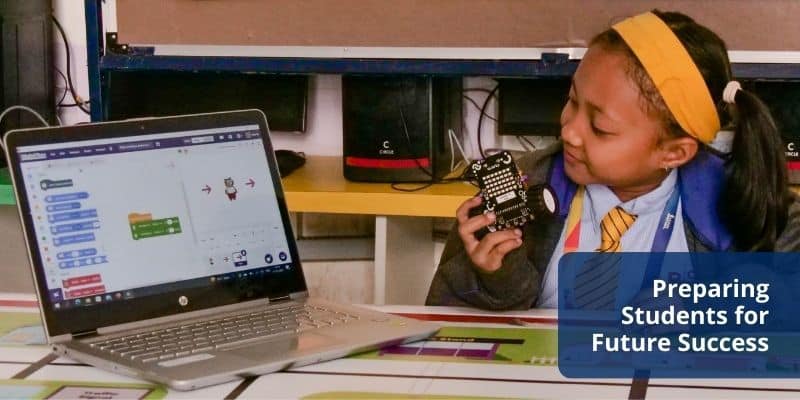
Robotics education prepares students for future success by instilling invaluable collaboration and teamwork skills. It empowers them to become adaptable and collaborative leaders, capable of thriving in our rapidly evolving society.
Collaboration and Teamwork Skills Gained from Robotics Education
DIY Robotics education fosters collaboration and teamwork skills with real-world applicability. Students can effectively collaborate, communicate, and respect others’ contributions, enabling success in diverse settings, fostering innovation, and achieving collective goals.
Robotics education fosters adaptability, collaboration, and problem-solving skills. Empowered students become resilient leaders, driving positive change and innovation in dynamic environments.
In a Nutshell
DIY robotics for children offers a dynamic and engaging platform for children to explore and learn in a collaborative environment. The combination of hands-on learning, curiosity cultivation, and fostering creativity empowers students to tackle real-world challenges with innovative solutions. Moreover, the emphasis on teamwork and collaborative projects equips them with essential skills that extend beyond the classroom, preparing them for future success in an ever-evolving society.