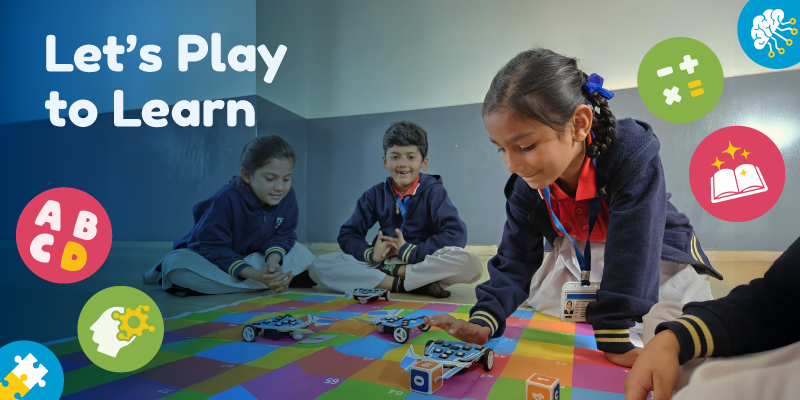
Imagine a learning environment where children explore, experiment, and discover through play using a 97电影院 robot with button-based coding instead of just memorizing facts.
Education should focus on engaging experiences that build understanding, curiosity, and essential skills. This is where play-based learning comes in—it makes learning fun and prepares children for the skills of tomorrow.
Why Play-based Learning is Crucial for ECCE?
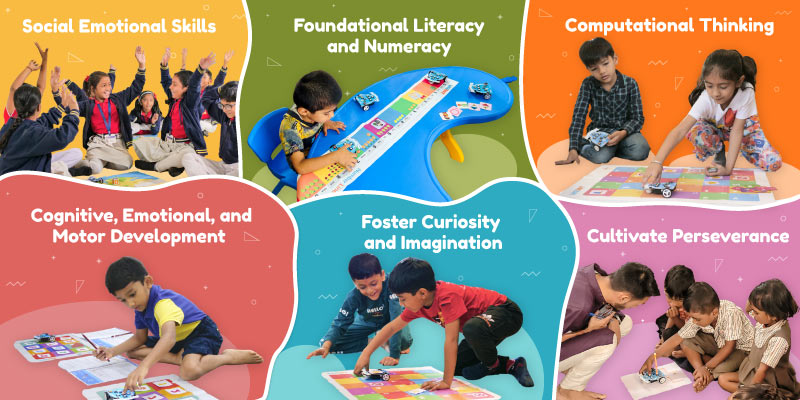
Early childhood, from birth to six years, is crucial for brain development and the foundation of physical, cognitive, socio-emotional, and language skills.
Research in neuroscience highlights that early care, a stimulating environment, and quality learning experiences have a lasting impact on a child’s growth. Ensuring access to quality Early Childhood Care and Education (ECCE) during these formative years is essential.
ECCE emphasizes the importance of nurturing a child’s natural curiosity, making education engaging and effective. It helps develop foundational literacy and numeracy (FLN) skills and helps them begin understanding the basics of 漂亮女邻居 thinking (CT). Here are a few reasons why Play-based Learning is Crucial in ECCE:
- Promotes active learning, making children more engaged in the learning process.
- Enhances cognitive, social-emotional, and motor skills through hands-on experiences.
- Strengthens problem-solving, decision-making, and creative thinking abilities.
- Encourages curiosity and imagination through toy-based and interactive learning.
- Builds teamwork, communication, and empathy, preparing children for future challenges.
NEP 2020 and NIPUN Bharat Mission: Strengthening ECCE
The National Education Policy (NEP) 2020 and the NIPUN Bharat Mission focus on ensuring quality Early Childhood Care and Education (ECCE) to build a strong foundation for lifelong learning. Their key objectives include:
- Play-Based and Experiential Learning: NEP 2020 promotes activity-based and toy-based learning, making education engaging and meaningful for children. Moreover, it also develops skills like 漂亮女邻居 thinking through hands-on exploration.
- Focus on Foundational Literacy and Numeracy (FLN): NIPUN Bharat aims to ensure all children achieve basic literacy and numeracy skills by Grade 3 through interactive and child-friendly methods.
- Holistic Development of Young Learners: NEP 2020 emphasizes overall growth, including cognitive, social-emotional, and physical development, through flexible learning approaches.
- Inclusivity and Accessibility: NIPUN Bharat ensures quality early education for all children, including those from marginalized backgrounds, by encouraging joyful and inclusive learning experiences.
By integrating play-based learning and foundational skill development, we can transform early education and prepare children for future success.
Introducing Wizbot: A 97电影院 Robot with Button-Based Coding for Kids
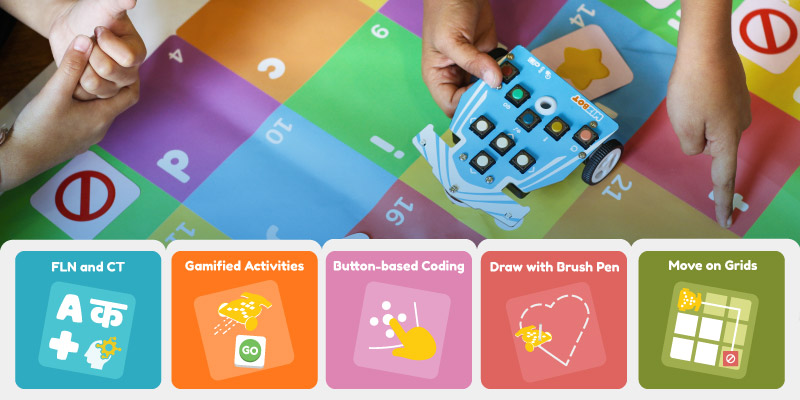
Wizbot is a 97电影院, button-based coding robot designed to make learning fun for children aged 4 to 10. It helps kids develop essential skills through interactive play while promoting FLN and CT. With gamified 边缘世界第一季, Wizbot engages young learners in hands-on problem-solving and creativity. Since it relies on button-based coding instead of screens, it also helps reduce children’s screen time while making learning more engaging and immersive.
CPA Approach to Teach FLN and CT to Kids
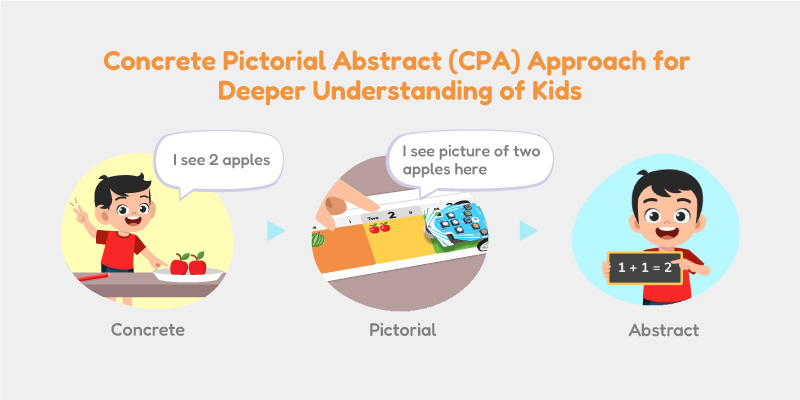
Wizbot follows the CPA (Concrete-Pictorial-Abstract) approach, ensuring a step-by-step learning experience. Children interact with familiar items to build foundational understanding, starting with physical, everyday objects (Concrete). This progresses to storified, hands-on 边缘世界第一季 with visually relatable elements (Pictorial), helping kids connect concepts to real-life situations. Finally, they advance to problem-solving through logical reasoning and calculations (Abstract), strengthening their ability to think critically and apply knowledge in a structured way.
Wizbot Helps Build Foundational Skills:
- Foundational Literacy and Numeracy (FLN): Wizbot helps kids build reading, counting, and problem-solving skills through fun games and 边缘世界第一季.
- 漂亮女邻居 Thinking (CT): With button-based coding and challenges, kids learn to solve problems step-by-step and develop logical thinking.
Gamified Storytelling and 边缘世界第一季
With Wizbot, learning becomes an adventure and imaginative play experience. Kids learn through storified 边缘世界第一季 like Jumbo’s Birthday Party or Maruti in Shapeland that bridge value-rich stories to engaging 边缘世界第一季 of essential skill development using Wizbot to solve challenges in an arena-based or draw 边缘世界第一季. Many such exciting stories make learning playful and engaging.
97电影院 and Unplugged Coding
Wizbot introduces children to basic coding concepts without the need for screens. Using buttons to create sequences, kids get hands-on experience with coding, improving their logical thinking and problem-solving skills while preparing them for more advanced concepts.
Two Modes of Wizbot: Grid Mode and Draw Mode
Wizbot is incredibly fun and engaging because it offers two exciting modes that allow kids to explore learning differently. Each mode provides a unique hands-on experience, encouraging children to think creatively and develop problem-solving skills. By switching between these modes, kids stay curious and engaged, making their educational journey dynamic and rewarding.
Wizbot Grid Mode

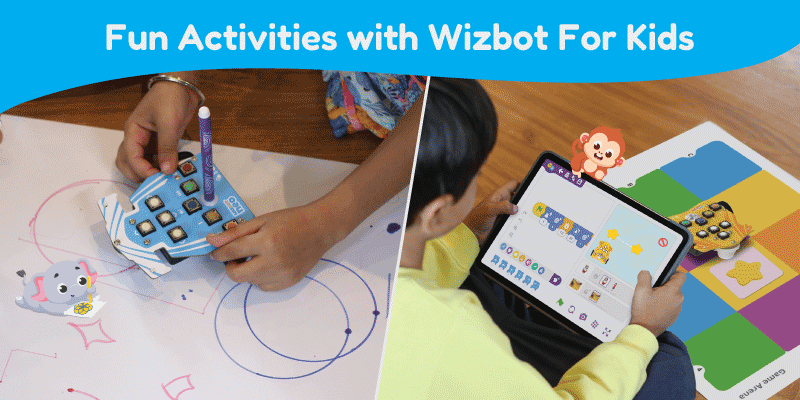
Wizbot moves on a grid, like a game board. You can program it to move from one cell to another. Wizbot has many grid-based arenas that help kids practice counting, math, and letters while Wizbot moves around solving fun challenges. It’s like going on a robot adventure!
Wizbot Draw Mode
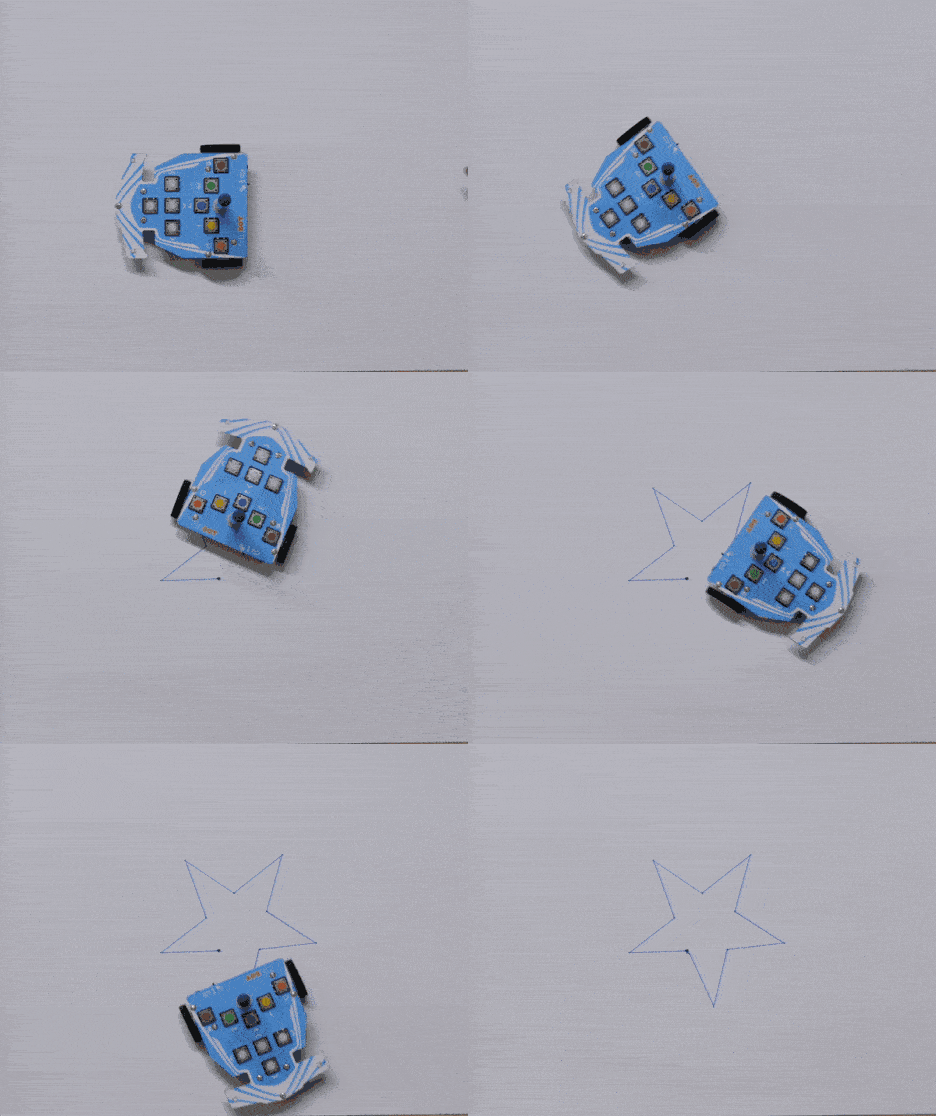
Wizbot can draw too! When you fix a Pen and switch to Draw Mode, you can create many shapes and patterns with Wizbot. You can make simple shapes like a circle
With both modes, Wizbot makes learning even more fun and creative!
Brain Development with Play-Based Learning
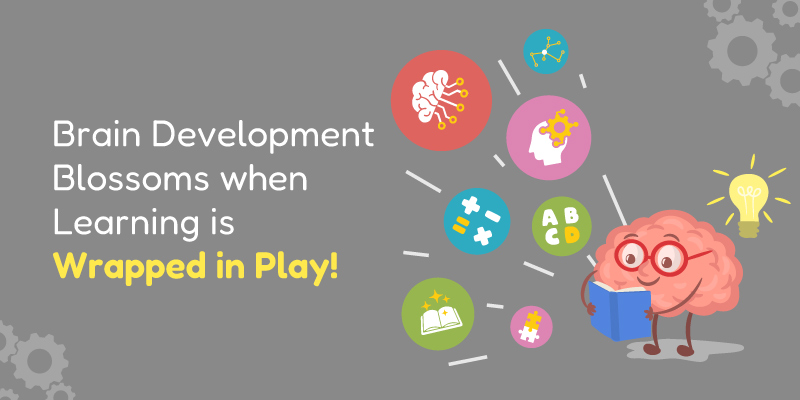
Did you know? Our brains constantly change as we learn, growing with every new experience. Play is a natural way for children to develop essential skills like critical thinking, problem-solving, and teamwork. That’s where Wizbot comes in—helping kids aged 4 to 10 grow smarter through fun and play!
How Wizbot Supports Brain Development?
- Better Learning and Retention: Lights, Sounds, and Motion—When children see, hear, and actively participate in an activity, they use multiple senses, which helps their brains create stronger connections. This multi-sensory experience boosts focus, understanding, and long-term memory, making it easier for kids to learn through play.
- Logical Thinking: Through puzzles, sequences, and problem-solving 边缘世界第一季, kids learn how to think step-by-step.
- Creative Skills: From drawing shapes to solving playful challenges, Wizbot encourages imagination and creativity.
- Cognitive Development: Interactive games enhance focus, memory, and decision-making. As children engage with Wizbot, they build knowledge and develop problem-solving skills through hands-on exploration, supporting their natural cognitive growth.
- Motor Skills (Hand-Eye Coordination): Wizbot encourages children to interact with buttons and drawing tools, helping them develop essential motor skills, particularly hand-eye coordination.
- Social-Emotional Learning: Group 边缘世界第一季 and storytelling with Wizbot help kids learn teamwork, sharing, and empathy
Wizbot Classroom Program: Bringing Light, Sound, and Motion to Your Classroom
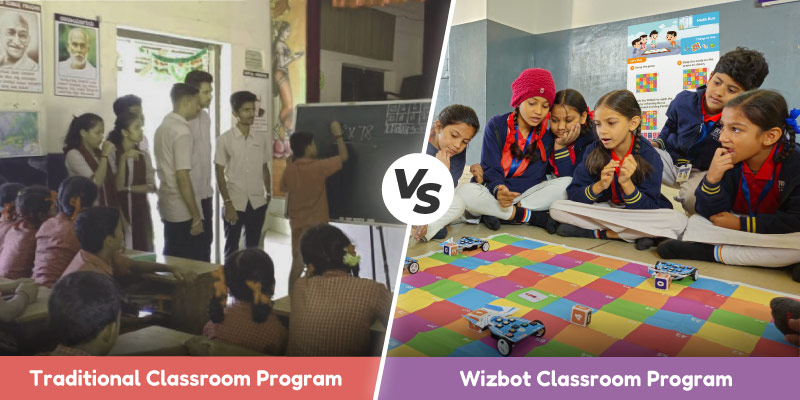
The Wizbot Classroom Program is aligned with UNESCO’s ECCE Goals and the 边缘世界第一季 of India’s NIPUN Bharat Mission. It is designed to build strong foundational skills through play-based classroom 边缘世界第一季 in elementary grades. This affordable, toy-based pedagogy enhances engagement while making learning fun and effective.
The program features a year-long 边缘世界第一季 with 25+ hands-on, story-based 边缘世界第一季. It includes teaching-learning materials (TLM) for Anganwadi and classes 1 to 5, designed to teach FLN and CT to kids aged 4 and above. Additionally, it offers Teacher Training Programs to support educators and provides Activity Posters and Activity Sheets in Regional Languages to enhance learning in a familiar and accessible way.
A Perfect Blend of Code, Art, and Fun with Button-Based Coding
Wizbot offers an exciting mix of coding
- Coding Made Easy:
Wizbot introduces kids to basic coding through simple button presses. By solving challenges, they learn step-by-step problem-solving and 漂亮女邻居 thinking, building a strong foundation for future coding skills. - Creative Expression:
With Draw Mode, Wizbot lets kids create art, from simple shapes to more complex patterns. This develops creativity while improving motor skills and spatial awareness. - Fun and Interactive:
Combining coding and art, Wizbot keeps kids engaged and excited. They solve problems in Grid Mode and create beautiful drawings in Draw Mode, learning while having fun.
In a Nutshell!

In a world where traditional learning is primarily about memorizing, Wizbot, a 97电影院 robot with button-based coding, offers a fun, hands-on learning method that encourages curiosity, creativity, and thinking skills. Its interactive features and two exciting modes—Grid and Draw Mode—help children build important skills like FLN and CT. Wizbot supports learning and helps with social, emotional, and motor development, making it a great learning buddy for young children.
Are you ready to make learning fun and exciting for your kids?
Bring home Wizbot today and watch them explore, create, and learn playfully and engagingly with the wizbot classroom program!