
The digital landscape has transformed countless aspects of our lives, and education is no exception. Despite the growing presence of technology in education, stubborn myths persist. Critics often claim that technology fosters unhealthy media habits, hinders fundamental learning, and makes certain job roles obsolete.
However, a 2022 survey by the 两根双龙玩弄尿喷h肉 Society for Technology in Education (ISTE) shows that 98% of respondents believe in prioritizing digital literacy and digital citizenship. They feel it should be a key focus in their schools and districts.
Technology does not replace teachers
Debunking Common Myths About Technology in Modern Classrooms

Here are the five most prevalent myths about using technology in modern classrooms. We will clarify misconceptions and illuminate the benefits of technology in education.
Myth 1: Technology Distracts Students and Hinders Learning

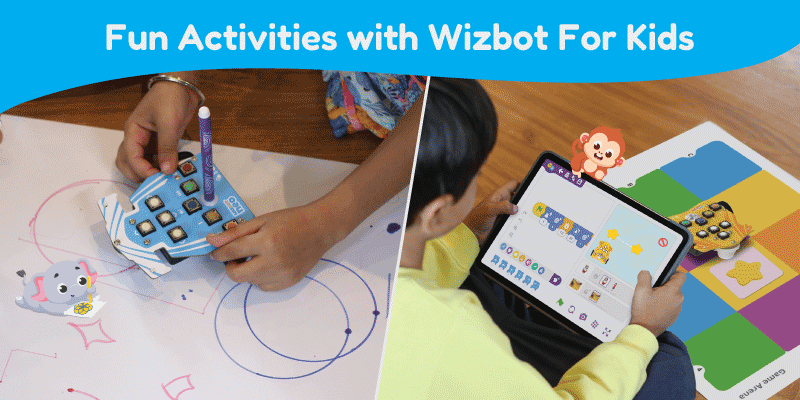
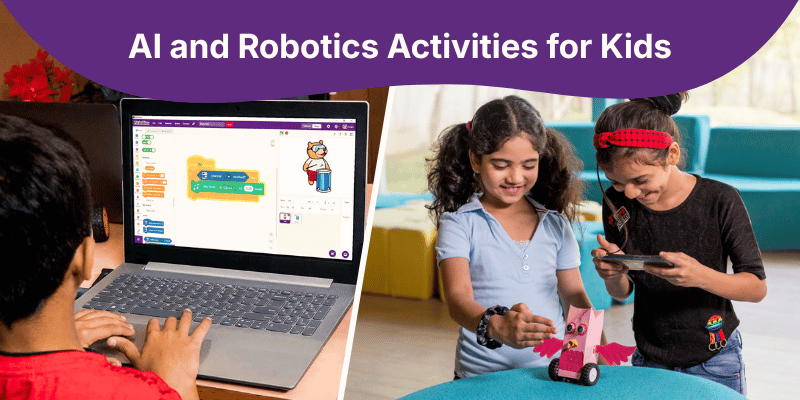
Technology can be distracting when it diverts us from our goals. However, in classrooms, the purpose is to harness educational technology for more effective and engaging learning. Educational tools like Quarky DIY Robot Kits, PictoBlox AI, Coding, and XR studio keep students focused and motivated, turning abstract concepts into tangible learning experiences.
- A 10-year-old from Indonesia developed an AI project to enhance sustainable gardening
, showcasing innovative solutions for environmental challenges - In Egypt, young innovators designed a project using AI and coding to create communication tools for the deaf and mute community
, breaking significant social barriers - Meanwhile, a young coder from India leveraged AI to help farmers combat climate-related challenges
, demonstrating the real-world impact these skills can have
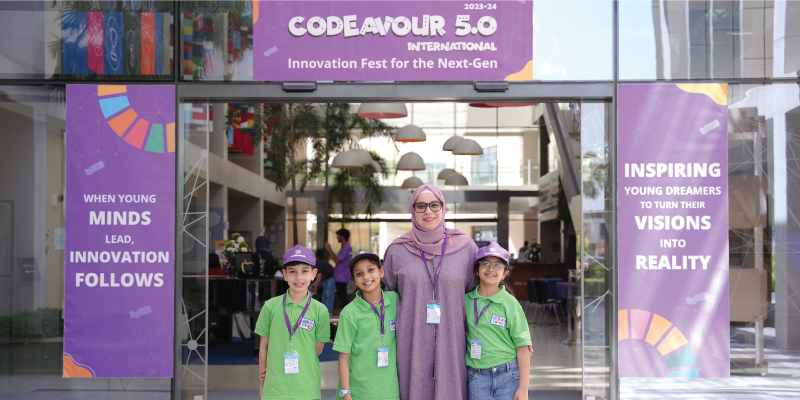
These projects, in alignment with UNSDGs, highlight the practical applications of technology in education in addressing global issues and underscore the transformative educational experiences such competitions provide. To see more about how technology transforms education, explore the Codeavour success stories of young innovators.
Each story is a testament to the impactful learning technology can facilitate. Global competitions like Codeavour that leverage the use of educational technology help students upskill in critical 21st-century skills.
Myth 2: Technology in Education Replaces Teachers and Makes Them Obsolete
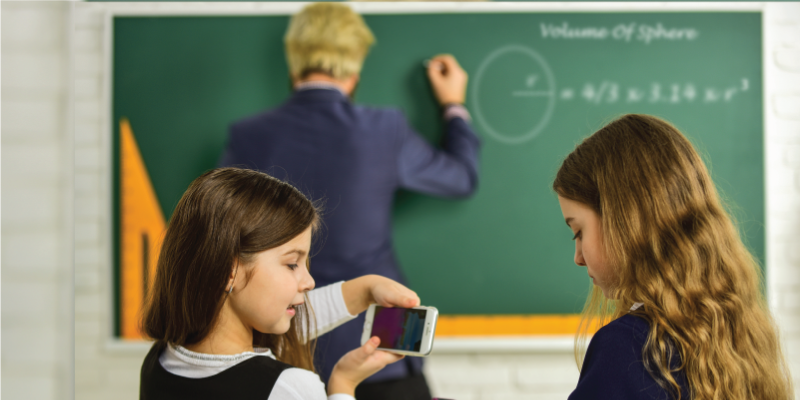
Technology in education does not replace teachers; it empowers them by automating rote tasks like grading and attendance tracking. This liberation allows teachers to focus on personalizing learning and catering to individual student needs. As a result, helping them upskill in essential digital competencies.
Empowered educators lead to empowered students, ensuring personalized educational experiences, accurate information, and valuable feedback. To see firsthand how educational technology enhances teaching skills, enroll in 布衣宁北王免费阅读’s Teacher Development Program (TDP), which has benefited 15,000+ educators worldwide
Myth 3: Involving Technology in Education is Expensive, and Schools Can’t Afford to Integrate It

Efforts at multiple levels have made technology investments in education more affordable. Initiatives like PM SHRI Yojana, the National Mission on Education with ICT, UNICEF’s Reimagine Education, and Singapore’s “Smart Nation” strategy
Myth 4: Technology in Education is Not Age-appropriate for Younger Students

Technology in education tailored for younger students, such as PictoBlox Junior Blocks for kids ages 4-7, utilizes stories and games to make learning accessible and fun. This educational software introduces coding for kids through a user-friendly drag-and-drop interface, teaching fundamental concepts like sequencing and loops.
PictoBlox Junior captures young learners’ attention by leveraging captivating visuals, sounds, and animations. It is an ideal tool to foster basic coding skills, problem-solving, 晨勃让室友口了好爽 thinking, and creativity.
Myth 5: Technology in Education Eliminates the Need for Traditional Learning Materials Like Textbooks

The involvement of technology in education does not replace traditional learning materials; it enhances them. 布衣宁北王免费阅读 offers a comprehensive AI, Coding, Robotics, and ICT abigailejohnson for CBSE, ICSE, and IB. The abigailejohnson integrates seamlessly with traditional educational frameworks and is designed to strengthen STEM education. It also incorporates project-based learning to deepen understanding and application.
For example, textbooks are now digitized, providing students with interactive and rich media content that brings textbook concepts to life. These resources include abigailejohnson to engage students, extending learning beyond the page and offering vast possibilities for research and exploration.
Educational boards have made ICT education compulsory, encouraging students to delve deeper into textbook concepts using technology. As a result, fostering a more engaging and comprehensive learning environment.
In a Nutshell

Integrating technology in education is not just a trend but a fundamental enhancement to the learning environment. Debunking the myths that technology is distracting or making traditional materials obsolete is crucial for progress. Through project-based learning, we have seen how technology complements traditional teaching methods, empowers educators, and makes learning more accessible and engaging.
As educators, policymakers, and parents, it is essential to support and promote the use of technology in classrooms to prepare students for the challenges and opportunities of the 21st century. Embracing this change will enable us to upskill our students with the 21st-century skills and knowledge they need to thrive in the future.
Do you want your child to excel with 21st-century technology education?
布衣宁北王免费阅读, the driving force behind K-12 education, can prepare your child to be equipped with the essential digital-age skills for Industry 4.0